
|
Croatia
Country & Tourist Information - Croatia
extends from the furthest eastern edges of the Alps in
the north-west to the Pannonian lowlands and the banks
of the Danube in the east, its central region is covered
by the Dinara mountain range, and its southern parts
extend to the coast of the Adriatic Sea.
Explore
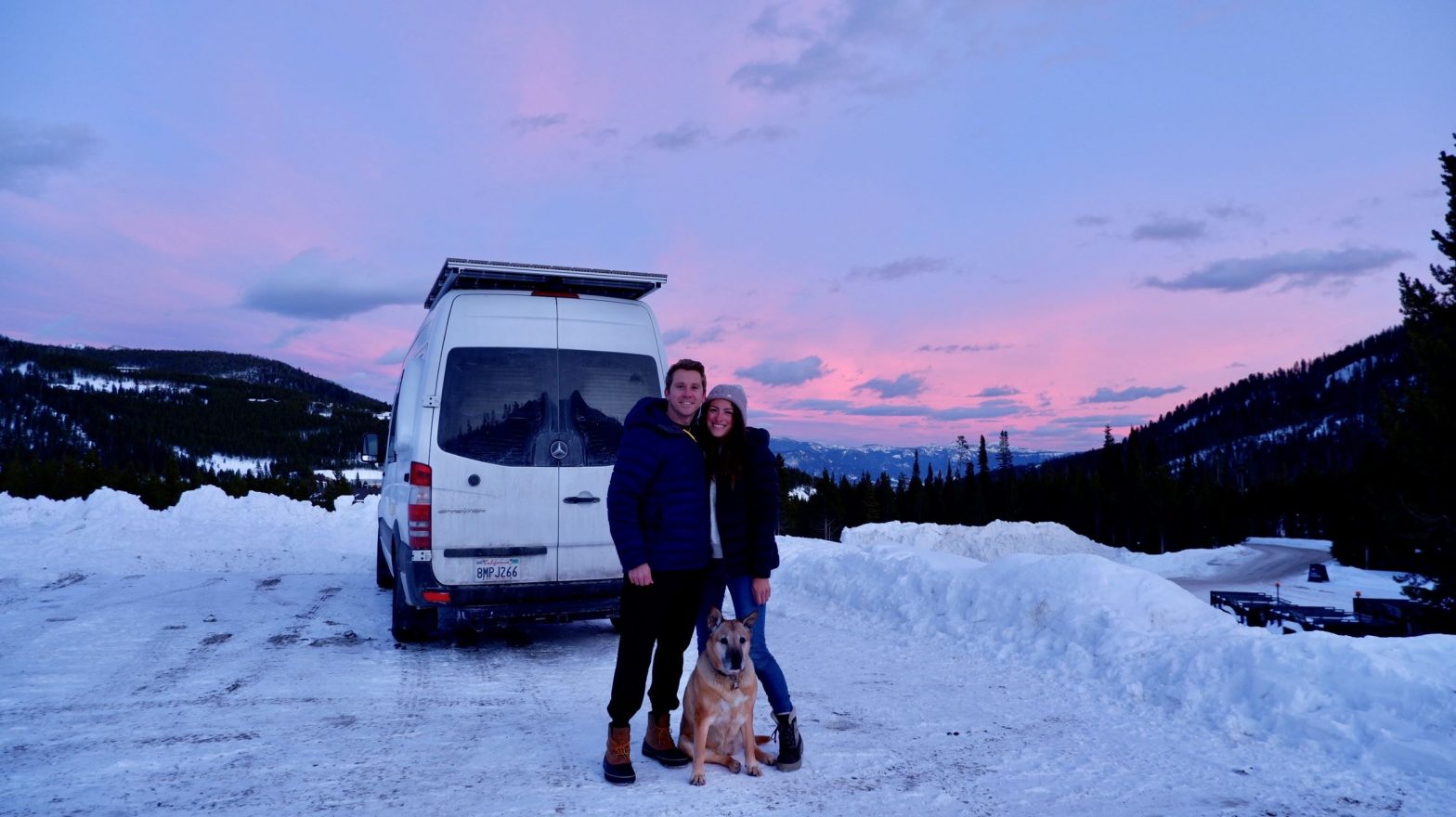
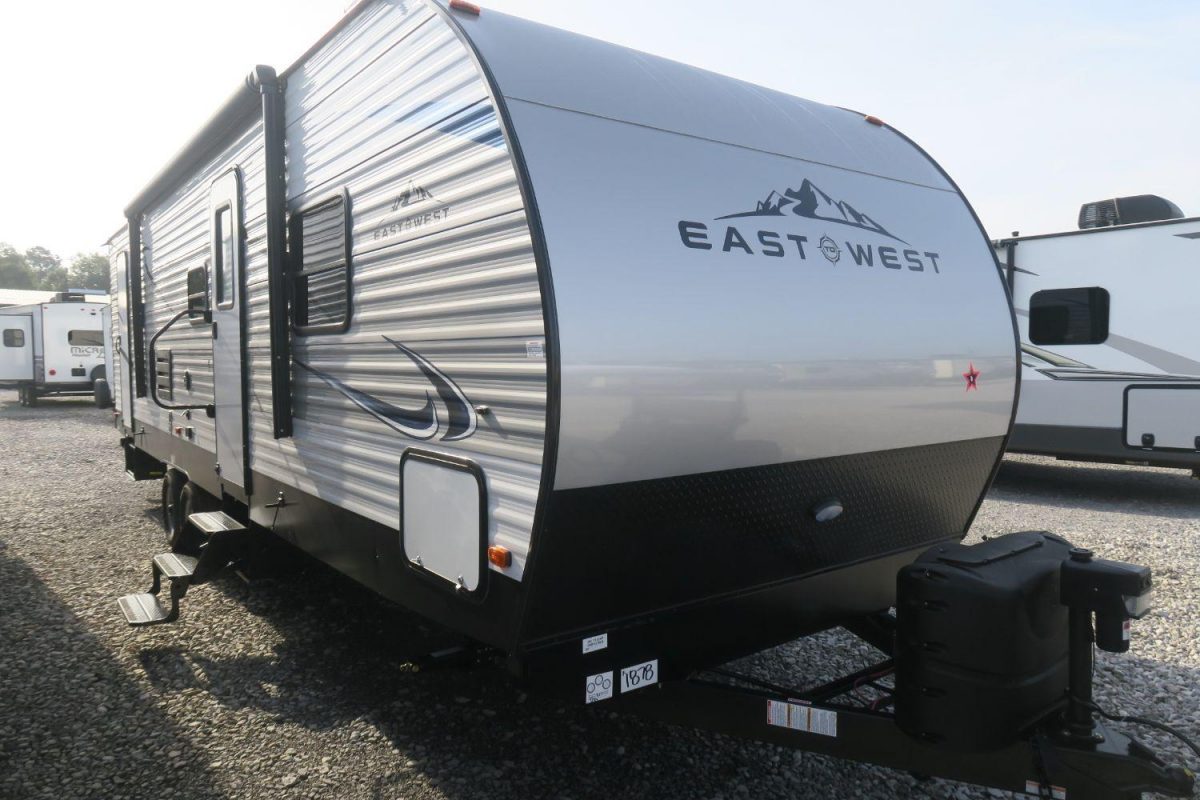
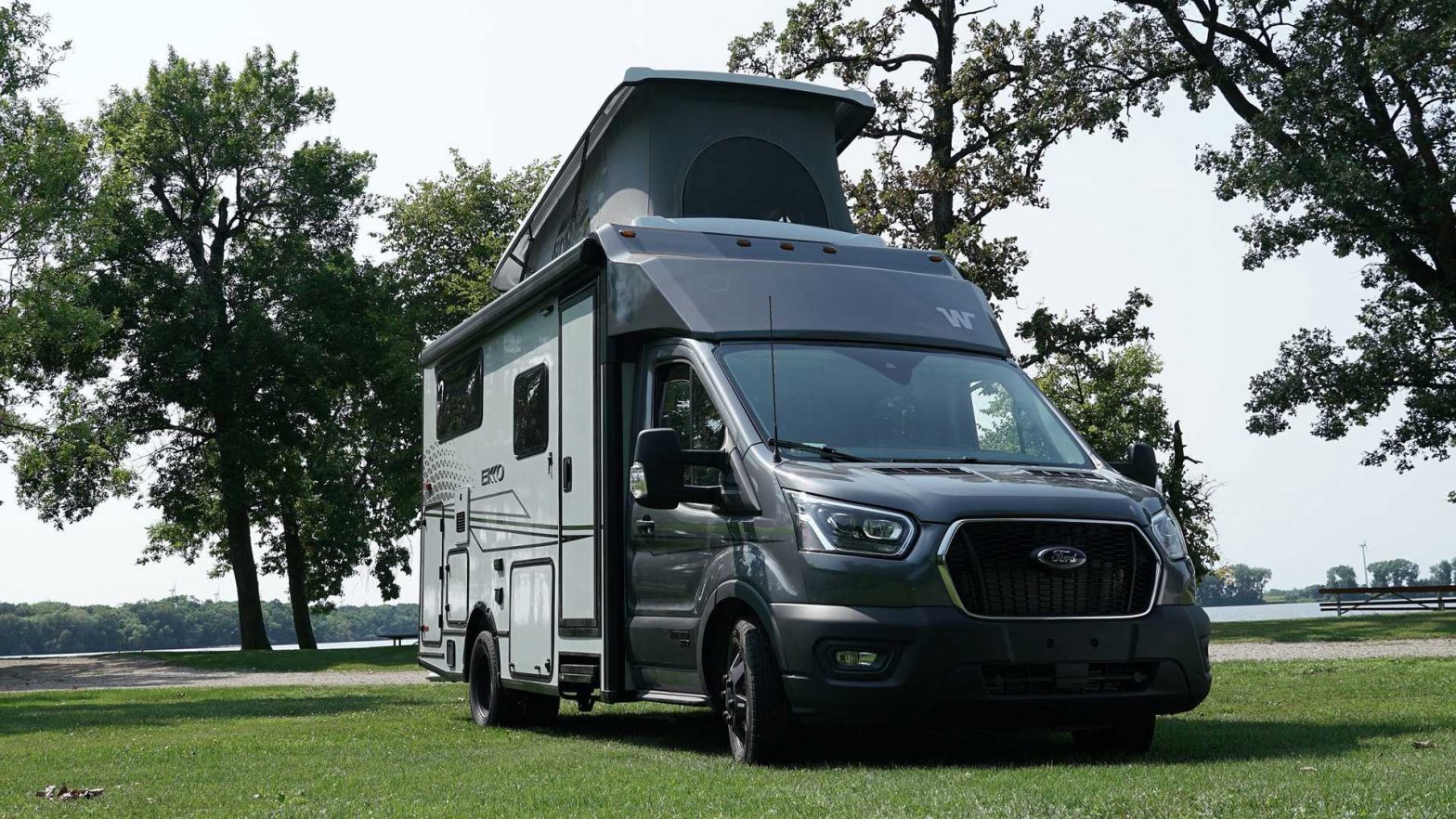
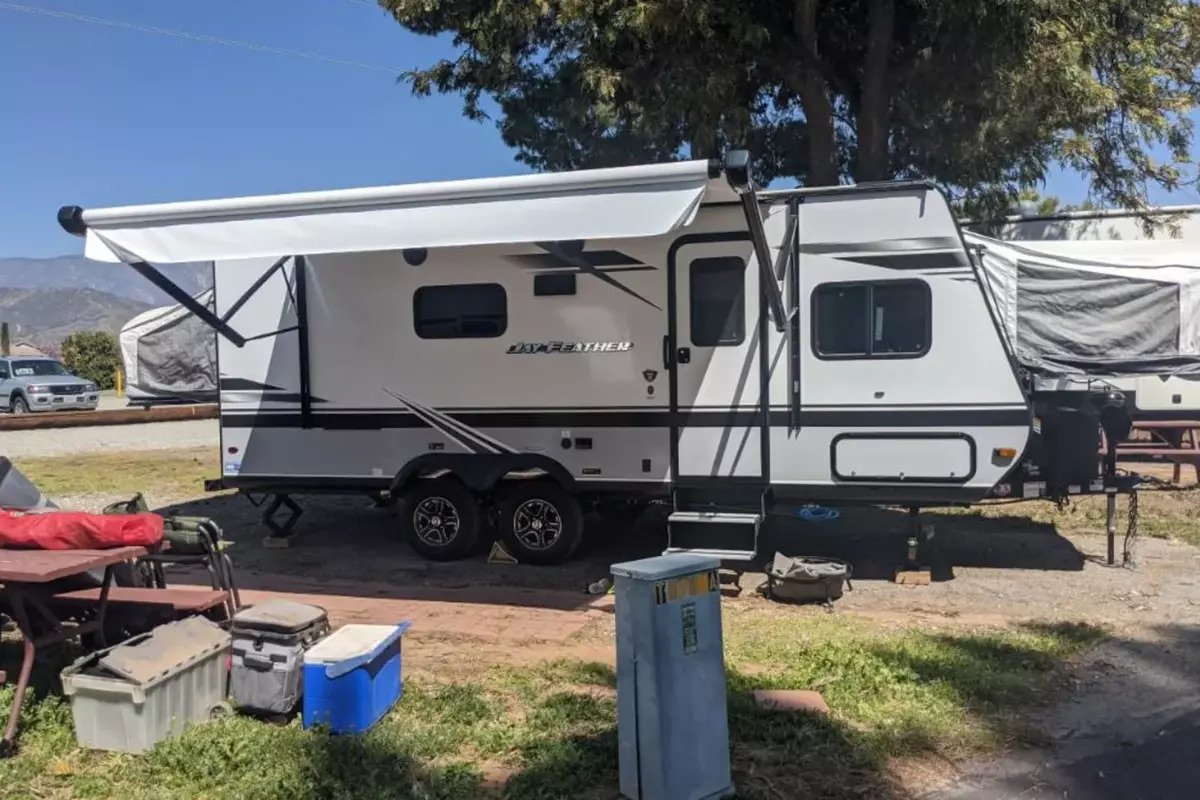
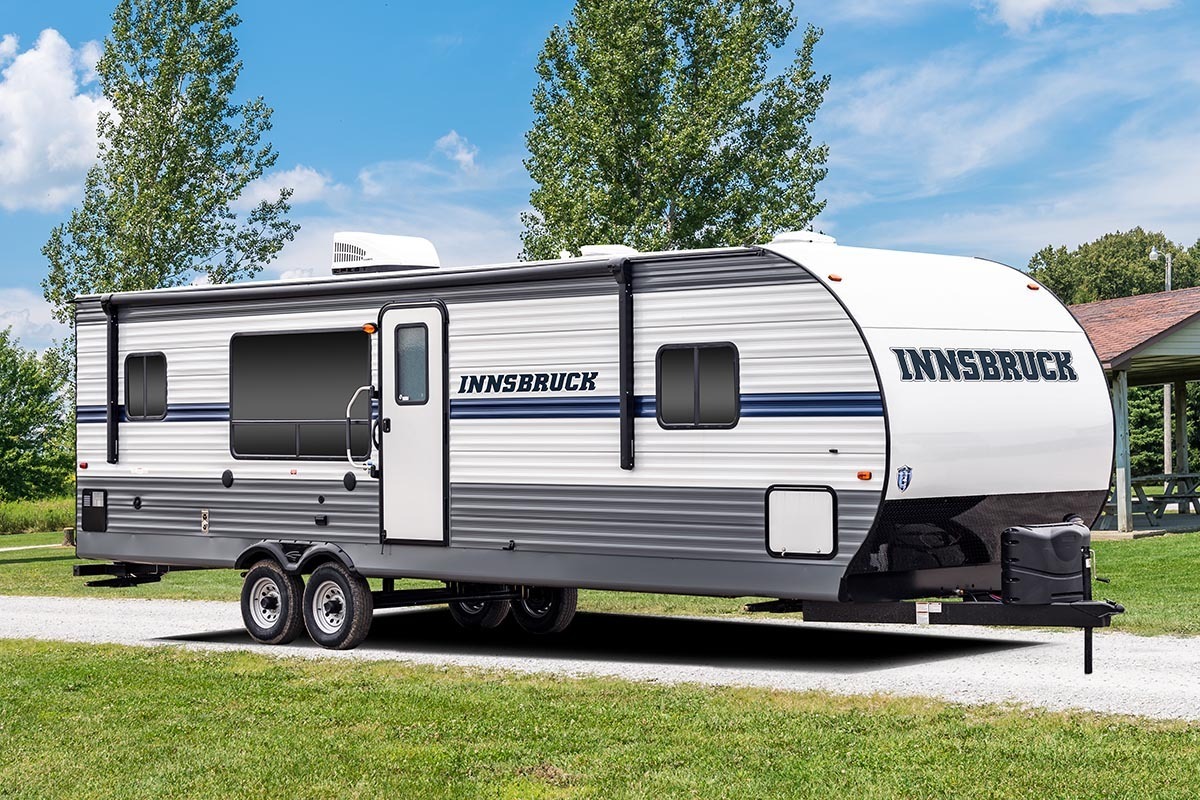
the Croatia landscape with a Motorhome, Campervan, RV
or Camper from one of the above Croatia Camper hire companies.
With a Recreational Vehicle hire, you have the complete
freedom to discover the Croatia Countryside at your own
pace with no strict timetables or hotel check ins.
Stop
when and where you want to ! Have the convenience of
storage space where you can take all the essential items
that you require for your family vacation up in the mountains
or alongside a river or down on the beach.
Create
life time memories with a Croatia self drive camper rental.
Experience the adventure of the open road with your Croatia
Camper Rental and enjoy great value for money (especially
for families) with being able to prepare your own meals
plus also the bonus of spending quality time with the
family.
Croatia
(Croatian: Hrvatska officially the Republic of Croatia
(Republika Hrvatska), is a country in Europe at the crossroads
of the Mediterranean and Central Europe. Its capital
is Zagreb. Croatia shares land borders with Slovenia
and Hungary on the north, Serbia on the east, Bosnia
and Herzegovina on the south and east, and Montenegro
on the south, as well as a sea border with Italy to the
west. It is a candidate for membership in the European
Union and NATO.
Croatia
is located in Southern Europe. Its shape resembles that
of a crescent or a horseshoe, which flanks its neighbours
Serbia, Bosnia and Herzegovina and Montenegro. To the
north lie Slovenia and Hungary; Italy lies across the
Adriatic Sea. Its mainland territory is split in two
non-contiguous parts by the short coastline of Bosnia
and Herzegovina around Neum.Its terrain is diverse, including:plains,
lakes and rolling hills in the continental north and
northeast (Central Croatia and Slavonia, part of the
Pannonian plain); densely wooded mountains in Lika and
Gorski Kotar, part of the Dinaric Alps;
rocky coastlines on the Adriatic Sea (Istria, Northern Seacoast and
Dalmatia).
The country is famous for its many national parks. Croatia has a mixture
of climates. In the north and east it is continental, Mediterranean
along the coast and a semi-highland and highland climate in the south-central
region. Offshore Croatia consists of over one thousand islands varying
in size.
National Geographic Adventure Magazine named Croatia as Destination
of the Year in 2006
Climate
The Adriatic coast has a typical Mediterranean climate with hot dry
summers and mild winters. It has one of the sunniest and warmest
coasts in Europe with an average of 2600 hours of sunshine yearly
and an average summer temperature of 27 C.
Average
daily maximum temperatures (C) - Dubrovnik
Cuisine
Croatian cuisine is heterogeneous and is therefore known as the cuisine
of regions, since every region has its own distinct culinary traditions.
Its modern roots date back to ancient periods and the differences
in the selection of foodstuffs and forms of cooking are most notable
between those on the mainland and those in coastal regions. Mainland
cuisine is more characterized by the earlier Slavic and the more
recent contacts with the more famous gastronomic orders of today
- Hungarian, Viennese and Turkish - while the coastal region bears
the influences of the Greek, Roman and Illyrian, as well as of
the later Mediterranean cuisine - Italian and French.
|