|
Germany
Country & Tourist Information - Experience
new things, have fun and relax.Vibrant cities with amazing
architecture, fabulous shopping and pulsating nightlife.
Enchanting medieval villages and traditional wine villages
with friendly festivals and regional specialities. Picturesque
countryside which is perfect for walking or simply relaxing
in. Castles, palaces and abbeys that are the epitome
of German romanticism. Fun & sport, wellness & relaxation.
A land of a thousand possibilities.
Explore
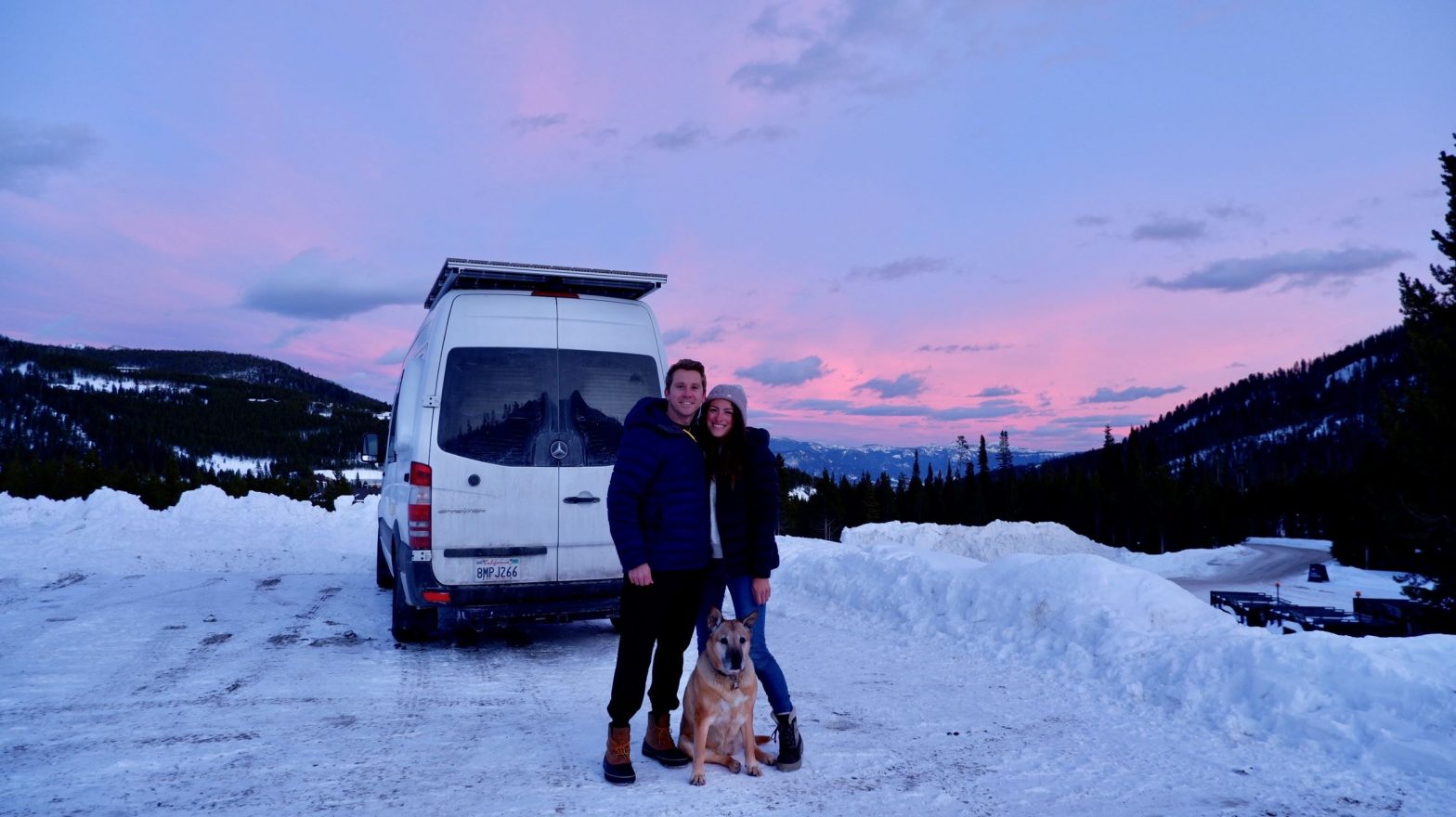
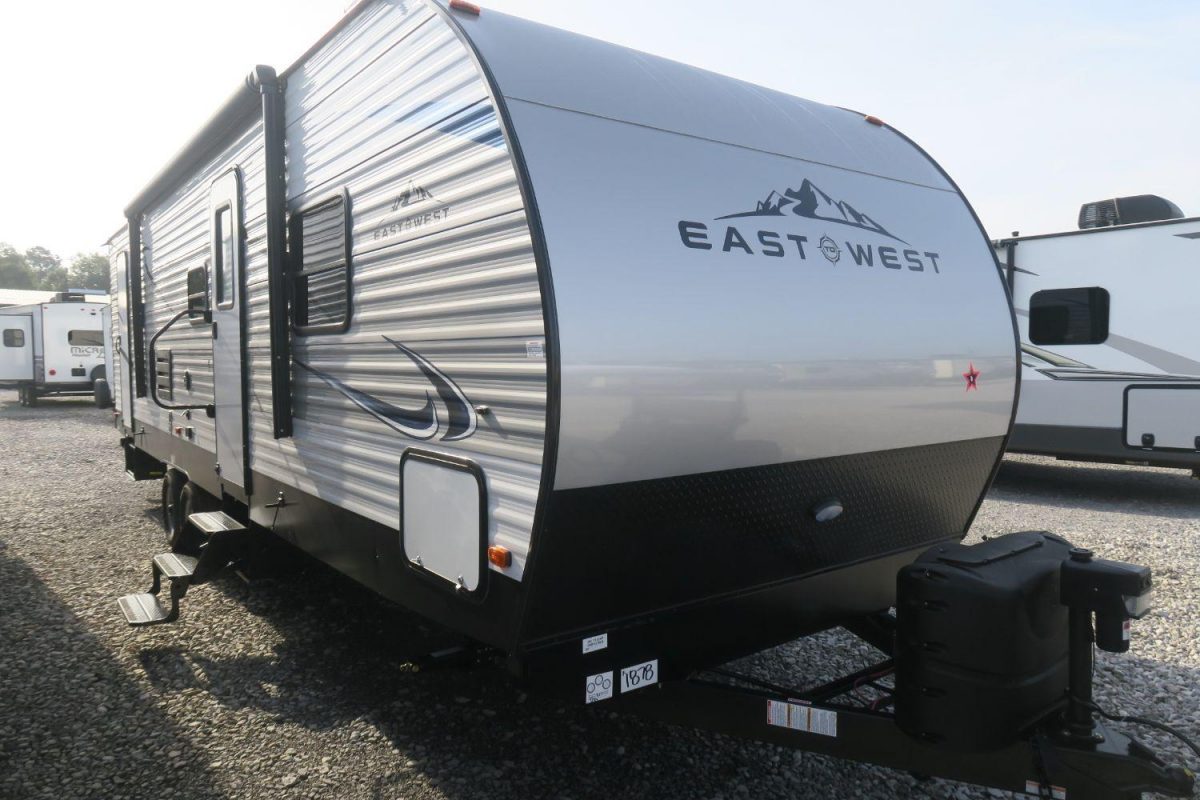
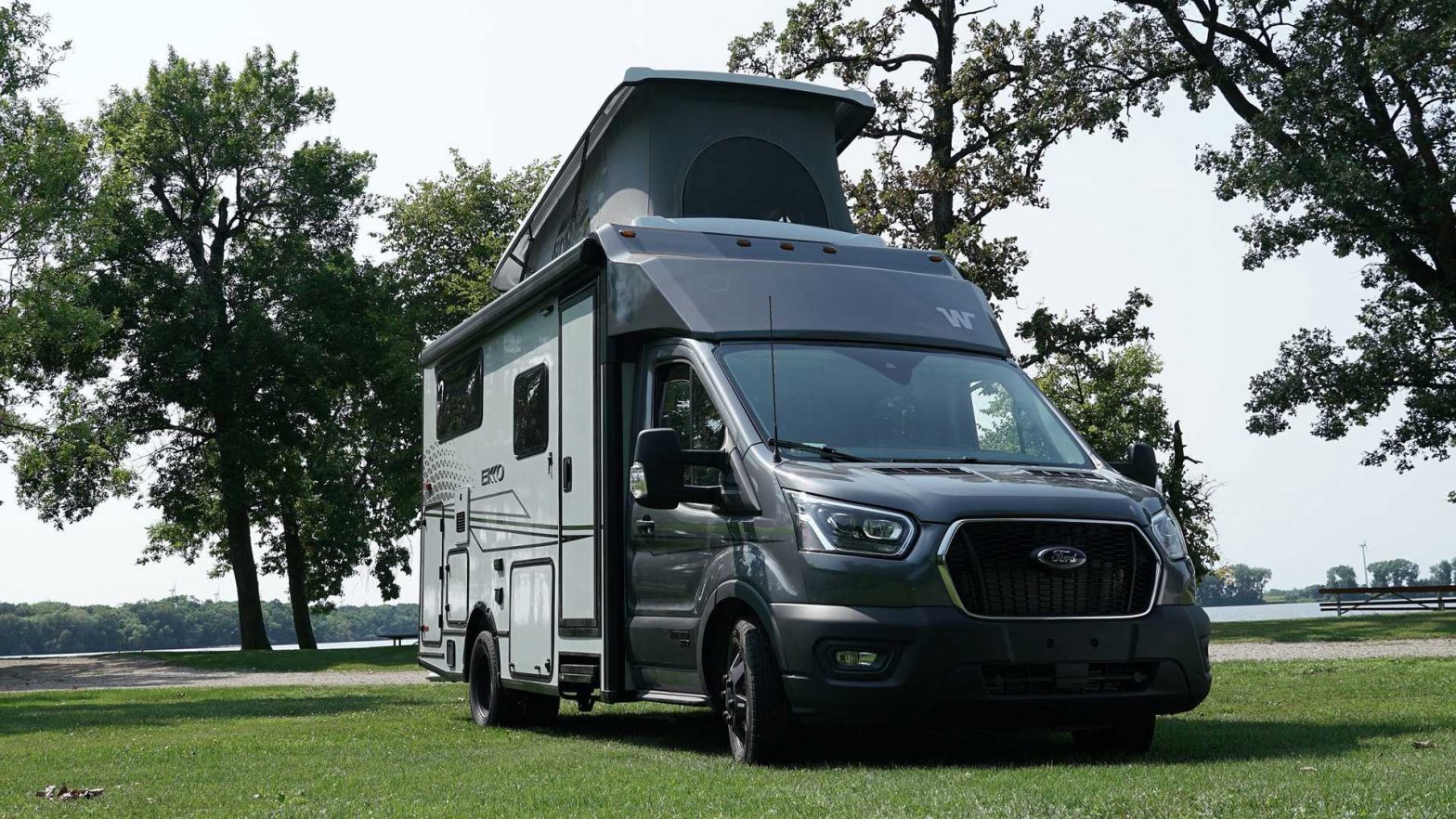
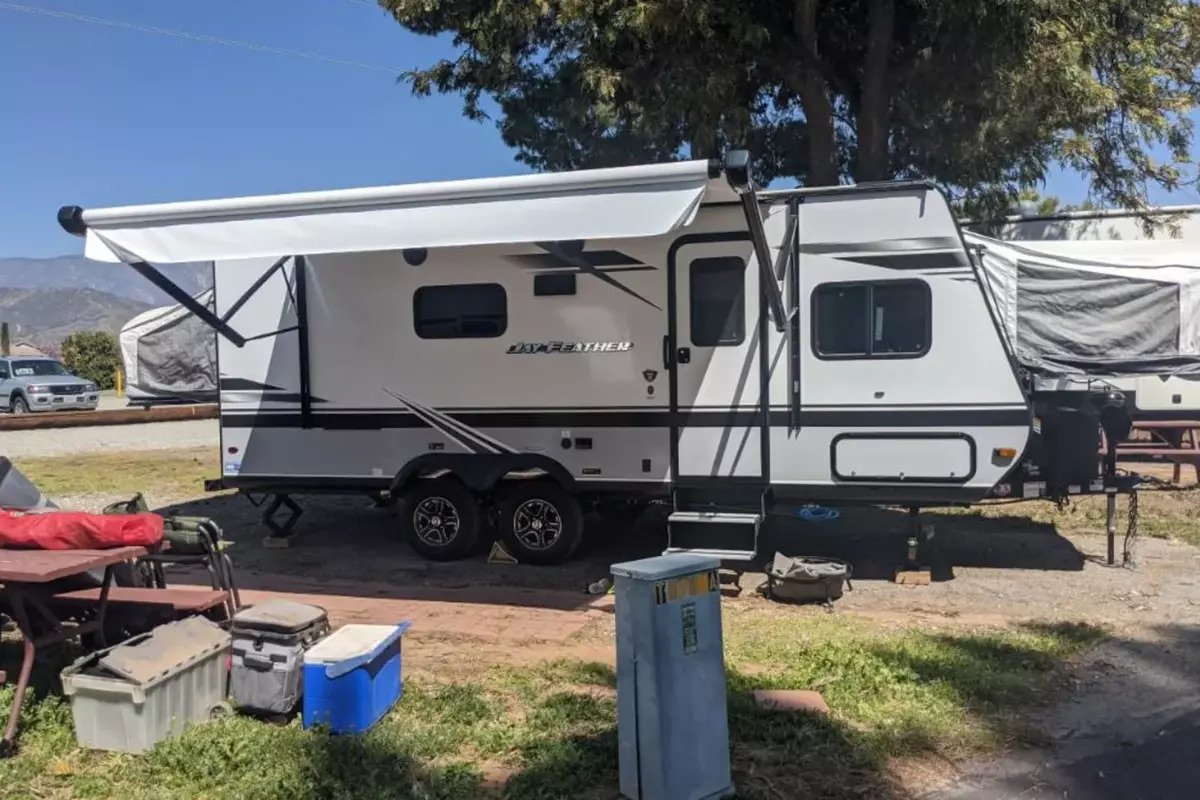
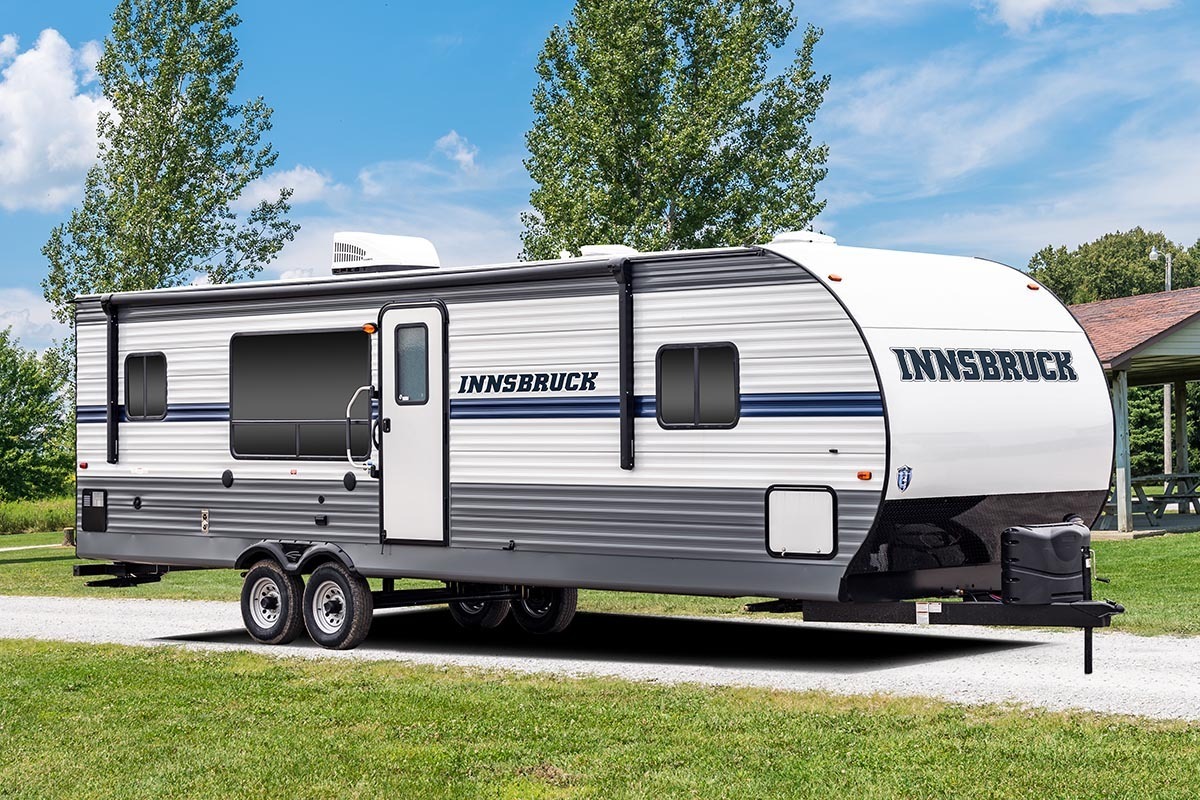
the Germany landscape with a Motorhome, Campervan, RV
or Camper from one of the above Germany Camper hire companies.
With a Recreational Vehicle hire, you have the complete
freedom to discover the Germany Countryside at your own
pace with no strict timetables or hotel check ins.
Stop
when and where you want to ! Have the convenience of
storage space where you can take all the essential items
that you require for your family vacation up in the mountains
or alongside a river or down on the beach.
Create
life time memories with a German self drive camper rental.
Experience the adventure of the open road with your Germany
Camper Rental and enjoy great value for money (especially
for families) with being able to prepare your own meals
plus also the bonus of spending quality time with the
family.
Germany
has the second largest population in Europe (after European
Russia) and is seventh largest in area. The territory
of Germany covers 357,021 square kilometres (137,850
sq mi), consisting of 349,223 square kilometres (134,835
sq mi) of land and 7,798 square kilometres (3,010 sq
mi) of water. Elevation ranges from the mountains of
the Alps (highest point: the Zugspitze at 2,962 metres
(9,718 ft)) in the south to the shores of the North Sea
(Nordsee) in the north-west and the Baltic Sea (Ostsee)
in the north-east. Between lie the forested uplands of
central Germany and the low-lying lands of northern Germany
(lowest point: Wilstermarsch at 3.54 metres (11.6 ft)
below sea level), traversed by some of Europe's major
rivers such as the Rhine, Danube and Elbe.[25] Because
of its central location, Germany shares borders with
more European countries than any other country on the
continent. Its neighbours are Denmark in the north, Poland
and the Czech Republic in the east, Austria and Switzerland
in the south, France and Luxembourg in the south-west
and Belgium and the Netherlands in the north-west.
Climate
Most of Germany has a cool, temperate climate in which humid westerly
winds predominate. The climate is moderated by the North Atlantic
Drift, which is the northern extension of the Gulf Stream. This
warmer water affects the areas bordering the North Sea including
the peninsula of Jutland and the area along the Rhine, which flows
into the North Sea. Consequently in the north-west and the north,
the climate is oceanic; rainfall occurs year round with a maximum
during summer. Winters there are mild and summers tend to be cool,
though temperatures can exceed 30 °C (86 °F) for prolonged
periods. In the east, the climate is more continental; winters
can be very cold, summers can be very warm, and long dry periods
are often recorded. Central and southern Germany are transition
regions which vary from moderately oceanic to continental. Again,
the maximum temperature can exceed 30 °C (86 °F) in summer
|