|
Hungary
Country & Tourist Information - The
area of their country is barely 100,000 km2. Their language
is spoken nowhere else. Their folk songs bear no resemblance
to those of other nations. Yet, the Hungarian people
have been living in the centre of Europe for over 1,100
years. Despite frequent tragic uphevals which spared
nothing and nobody, the country boasts a heritage that
attracts people from far and wide. Citing the citys unparalleled
panorama, UNESCO declared Budapest, Hungarys capital
- the Pearl of the Danube - a World
Heritage site.
Explore
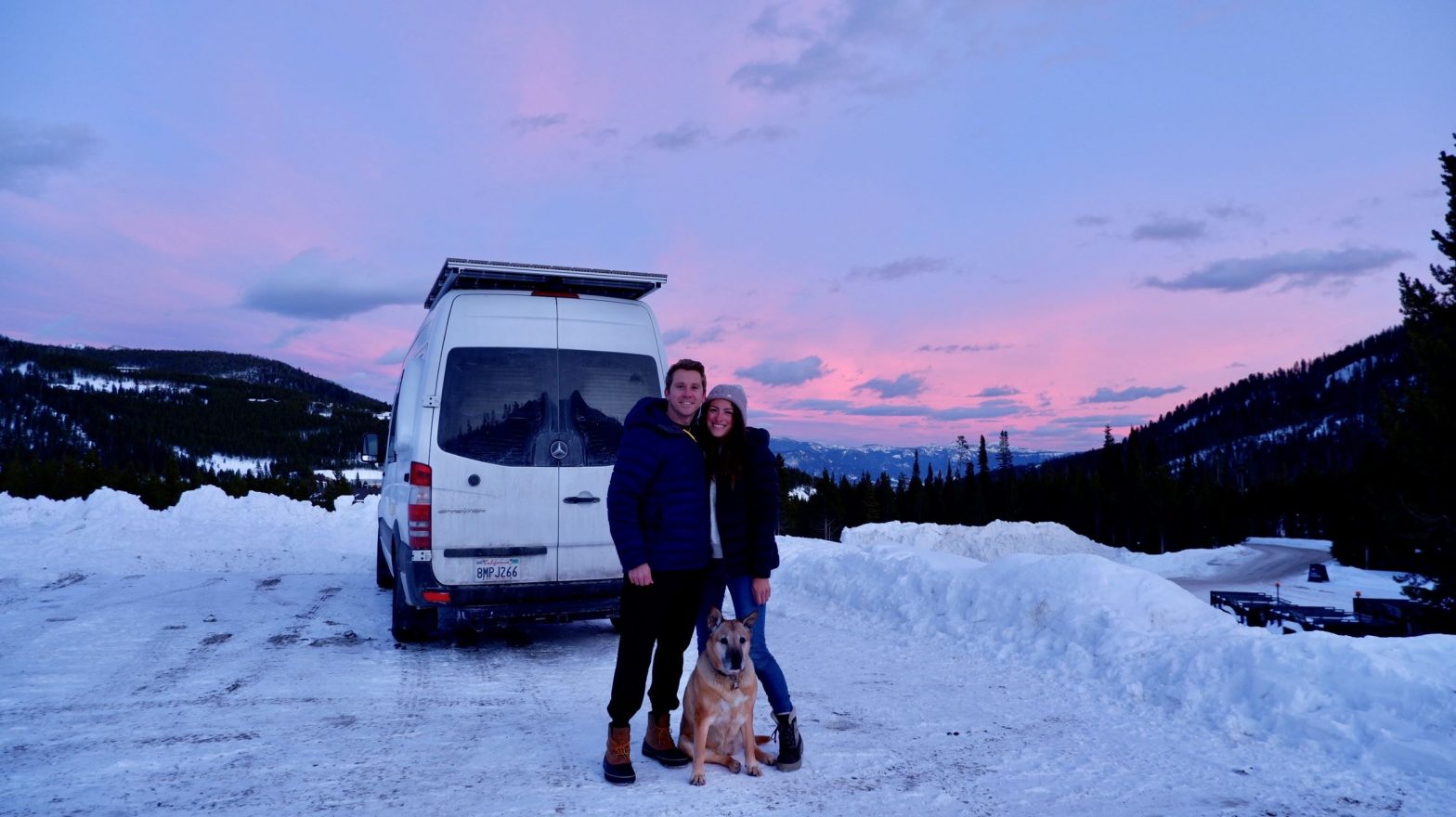
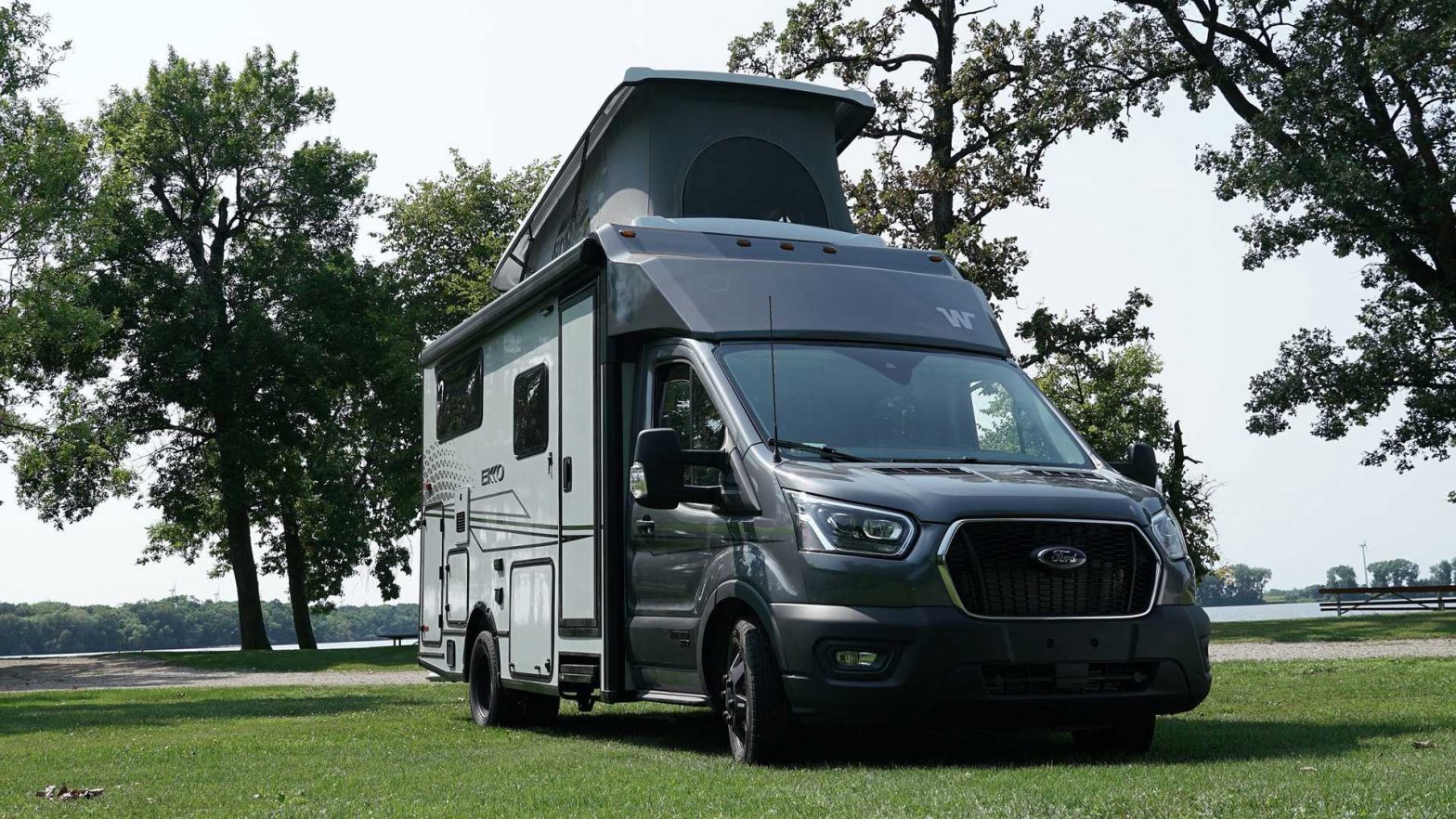
the Hungary landscape with a Motorhome, Campervan, RV
or Camper from one of the above Hungary Camper hire companies.
With a Recreational Vehicle hire, you have the complete
freedom to discover the Hungary Countryside at your own
pace with no strict timetables or hotel check ins.
Stop
when and where you want to ! Have the convenience of
storage space where you can take all the essential items
that you require for your family vacation up in the mountains
or alongside a river or down on the beach.
Create
life time memories with a Hungary self drive camper rental.
Experience the adventure of the open road with your Hungary
Camper Rental and enjoy great value for money (especially
for families) with being able to prepare your own meals
plus also the bonus of spending quality time with the
family.
Hungary
(Hungarian: Magyarország listen officially in
English the Republic of Hungary (Magyar Köztársaság
listen literally Hungarian Republic), is a landlocked
country in Central Europe, bordered by Austria, Slovakia,
Ukraine, Romania, Serbia, Croatia, and Slovenia. Its
capital is Budapest.Hungary
has been a member state of the European Union since May
1, 2004.
Approximately
slightly more than one half of Hungary's landscape consists
of flat to rolling plains of the Carpathian Basin: the
most important plain regions include the Little Hungarian
Plain in the west, and the Great Hungarian Plain in the
southeast. The highest elevation above sea level on the
latter is only 183 metres.
Transdanubia
is a primarily hilly region with a terrain varied by
low mountains. These include the very eastern stretch
of the Alps, Alpokalja, in the west of the country, the
Transdanubian Medium Mountains, in the cental region
of Transdanubia, and the Mecsek Mountains and Villány
Mountains in the south. The highest point of the area
is the Írott-ko in the Alps, at 882 metres.
The
highest mountains of the country are located in the Carpathians:
these lie in the northern parts, in a wide band along
the Slovakian border (highest point: the Kékes
at 3,327 ft; 1,014 m).
The
capital, Budapest, is split by the Danube River into
Buda, its old part, and Pest. Other large rivers include
the Tisza and Dráva, while Transdanubia contains
Lake Balaton, a major body of water. The largest thermal
lake in the world, Lake Hévíz (Hévíz
Spa), is located in Hungary. The second largest lake
in the Carpathian Basin is the artificial Lake Tisza
Climate
Hungary has a continental climate, with cold, cloudy, humid winters
and warm to hot summers. Average annual temperature is 9.7 °C
(49.5 °F). Temperature extremes are about 42 °C (110 °F)
in the summer and -29 °C (-20 °F) in the winter. Average
temperature in the summer is 27 to 35 °C (81 to 95 °F),
and in the winter it is 0 to -15 °C (32 to 5 °F). The average
yearly rainfall is approximately 600 millimetres (24 in). A small,
southern region of the country near Pécs enjoys a reputation
for a Mediterranean climate, but in reality it is slightly warmer
than the rest of the country and still receives snow during the
winter.
Cuisine
Hungarian cuisine is also a prominent feature of Hungarian culture,
with traditional dishes such as goulash (gulyás or gulyásleves)
a main feature of the Hungarian diet. Dishes are often flavoured
with paprika. Stews are often to be found with typical elements
such as pork or beef, for example as used in pörkölt.
|