
|
Switzerland
Country & Tourist Information -
Welcome to Switzerland! MySwitzerland.com is the offical
website of the Swiss
National Tourist Office. Find all information you need
for your vacation, your holidays in Switzerland. Book
hotels, apartments and chalets. Buy souvenirs, gifts
or rail tickets. Get comprehensive information about
the current weather, snow conditions, skiing, water temperatures,
summer or winter vacation in the alps, swiss mountains,
airports, family holidays, exhibitions, events, seminars
and business meetings, congress organisation, mountain
biking, nordic walking, wellness, spas, accomodation,
ski resorts.
Explore
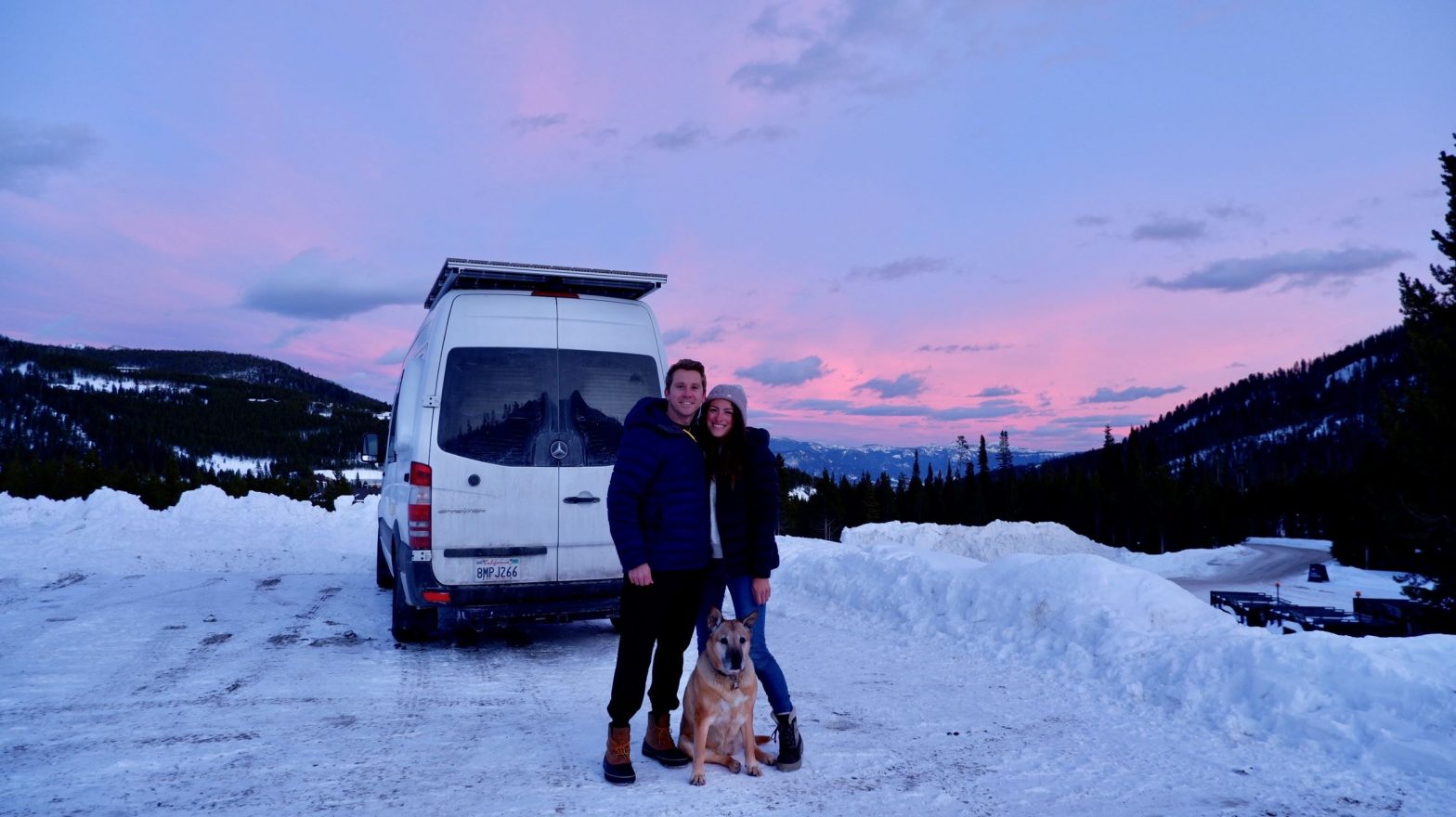
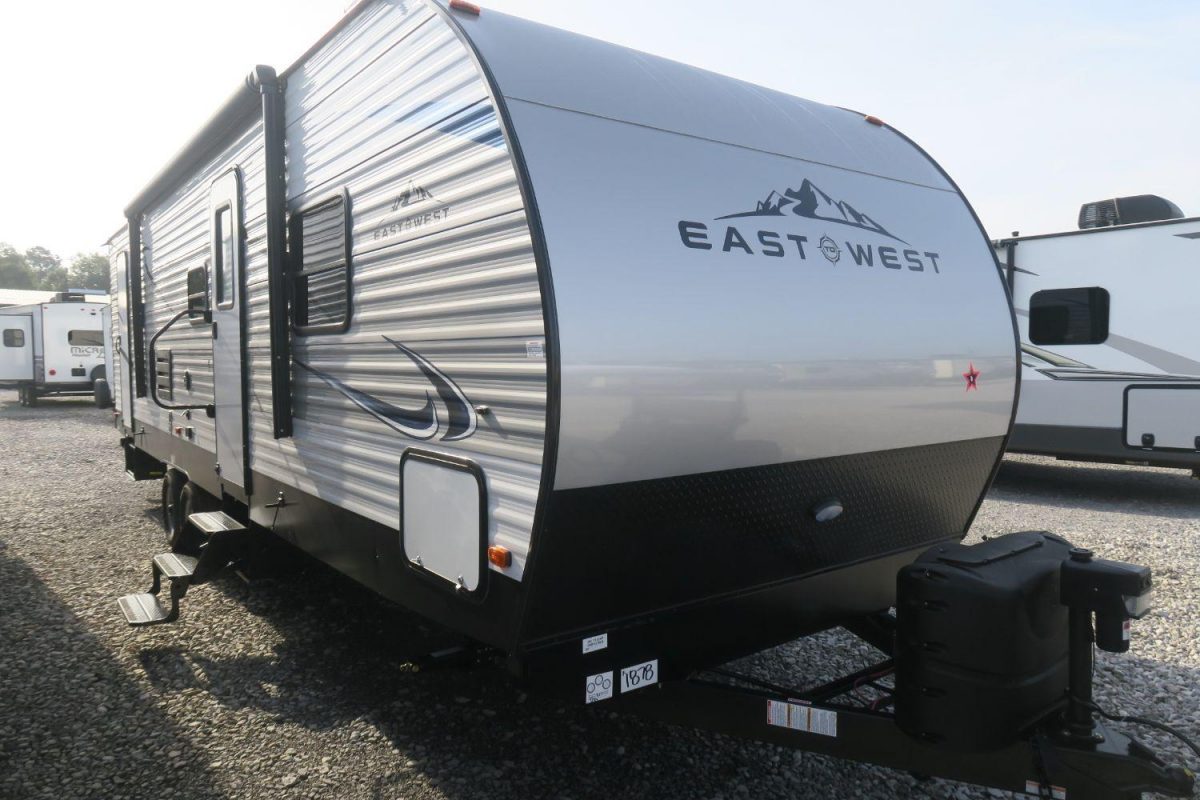
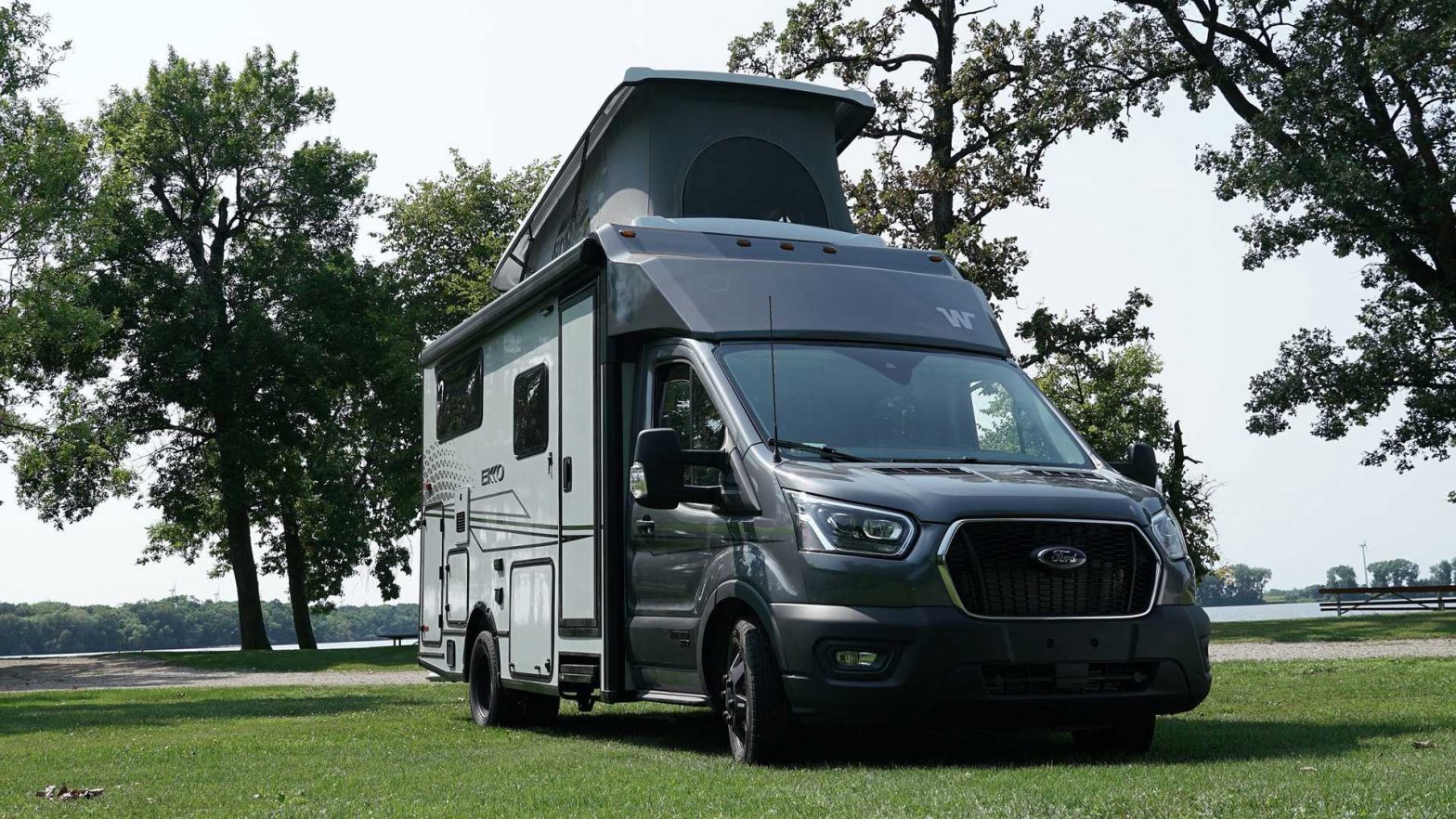
the Switzerland landscape with a Campervan, Motorhome,
RV or Camper from one of the above Switzerland Camper
hire companies. With a Recreational Vehicle hire, you
have the complete freedom to discover the Switzerland
Countryside at your own pace with no strict timetables
or hotel check ins.
Stop
when and where you want to ! Have the convenience of
storage space where you can take all the essential items
that you require for your family vacation up in the mountains
or alongside a river or down on the beach.
Create
life time memories with a Switzerland self drive camper
rental. Experience the adventure of the open road with
your Switzerland Camper Rental and enjoy great value
for money (especially for families) with being able to
prepare your own meals plus also the bonus of spending
quality time with the family.
Facts
About Switzerland
Switzerland (German: Schweiz, French: Suisse, Italian:
Svizzera, Romansh: Svizra), officially the Swiss Confederation,
is a landlocked alpine country in Western Europe. This small
multi-lingual country, of a little over 7.5 million people,
has four national languages, German, French, Italian, and
Romansh. The country is bordered by Germany, France, Italy,
Austria, and Liechtenstein. It dates its independence to
1291; historically it was a confederation, and it has been
a federation since 1848, with a current division into 26
cantons, six of which are sometimes referred to as "half-cantons",
since they have less representation in the Council of States.
Switzerland
has a strong economy in finance and banking, rates highly
in international economic standards despite its small
size, and maintains a long and strong tradition of political
and military neutrality. This background allows Switzerland
to host various international organizations, such as
the United Nations, which, though headquartered in New
York City, has many departments in Switzerland. The safety,
security, and scenic beauty of the country, for walking,
hiking, climbing, and skiing, give it a strong and robust
tourism sector.
Confoederatio
Helvetica, the country's official Latin name, means Helvetic
Confederation. The use of Latin avoids having to favour
one of the four national languages. The abbreviation
(CH) is used for the same reason. The titles commonly
used in French (Confédération suisse),
Italian (Confederazione Svizzera) and Romansh (Confederaziun
svizra) translate as "Swiss Confederation",
while the German name of Schweizerische Eidgenossenschaft
translates literally as "Swiss Oath Fellowship" or "Swiss
Commonwealth of the Covenant". The term for a native
of Switzerland is Swiss (German Schweizer, singular male
Schweizer, female Schweizerin; French Suisses, male Suisse,
female either Suisse or Suissesse; Italian Svizzeri,
male Svizzero, female Svizzera).
Climate
The Swiss climate is generally temperate, but can vary greatly between
the localities, from glacial conditions on the mountain tops to
the often pleasant Mediterranean climate at Switzerland's southern
tip. The summer tends to be warm and humid at times with periodic
rain so it is ideal for pastures and grazing. The winters in the
mountains alternate with sun and snow, while the lower lands tends
to be more cloudy and foggy in winter. A weather phenomenon known
as the Föhn can occur at all times of the year, even in winter,
and is characterized by a wind with warm Mediterranean air. The
driest conditions persist in the southern valleys of the Wallis/Valais
above which valuable saffron is harvested and many grapes are grown,
the Graubünden also tends to be somewhat drier in climate
and slightly colder, yet with plentiful snow in winter. The wettest
conditions persist in the high Alps and in the Ticino which has
much sun yet heavy bursts of rain from time to time. The east tends
to be colder than the west of Switzerland, yet anywhere up high
in the mountains can experience a cold spell at any time of the
year. Precipitation tends to be spread moderately throughout the
year, with minor variations across the seasons depending on locale.
Autumn frequently tends to be the driest season, yet the weather
patterns in Switzerland can be highly variable from year to year,
and very difficult to predict.
|