|
Explore
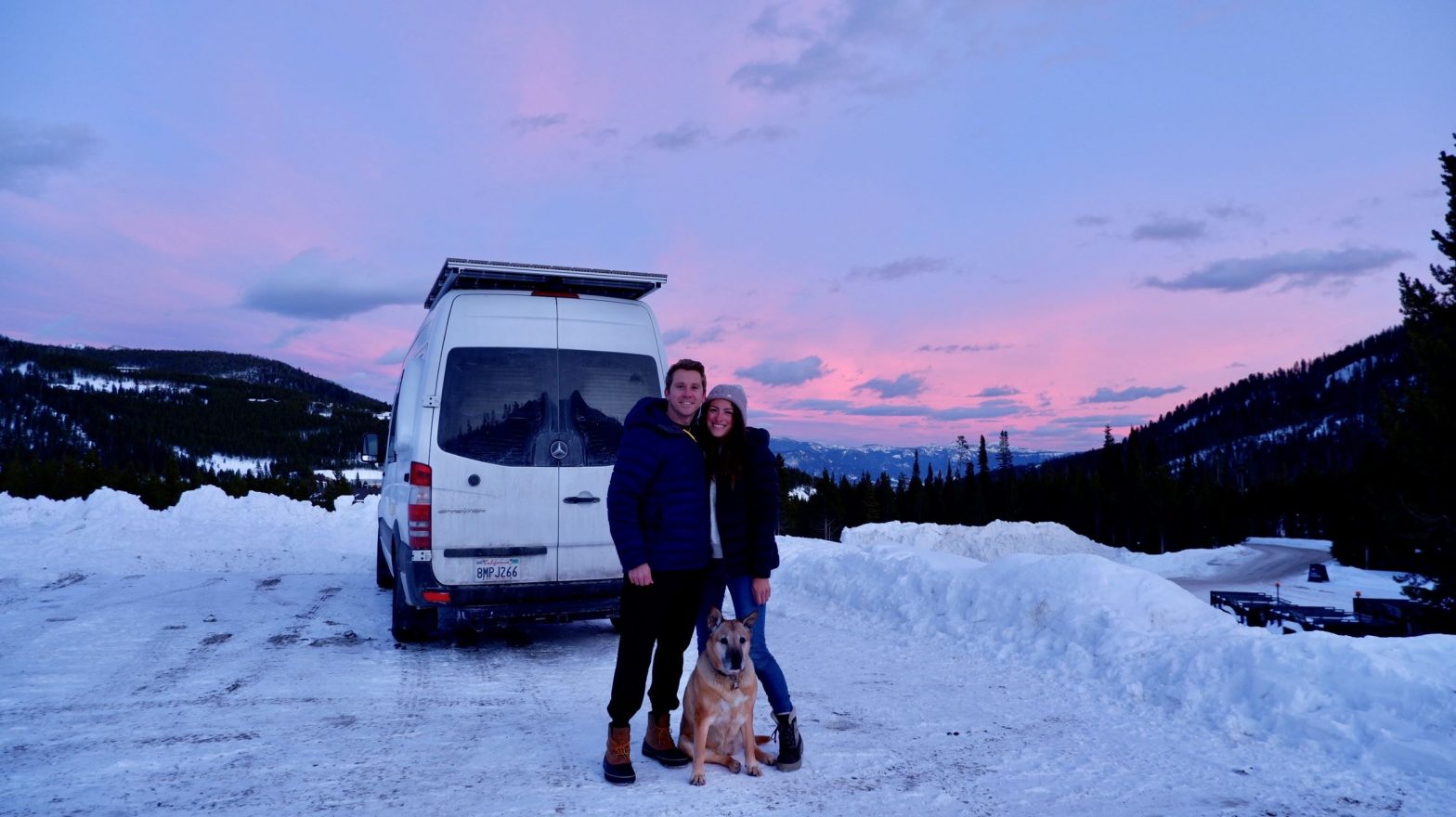
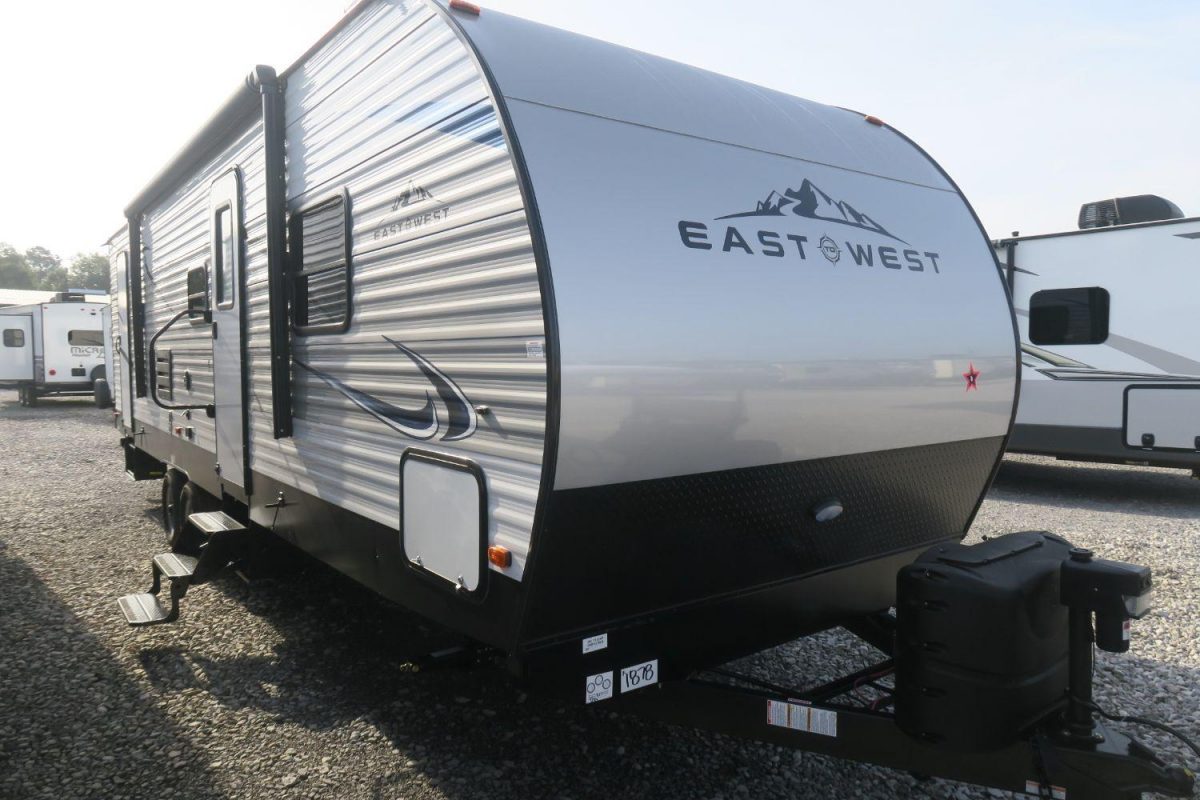
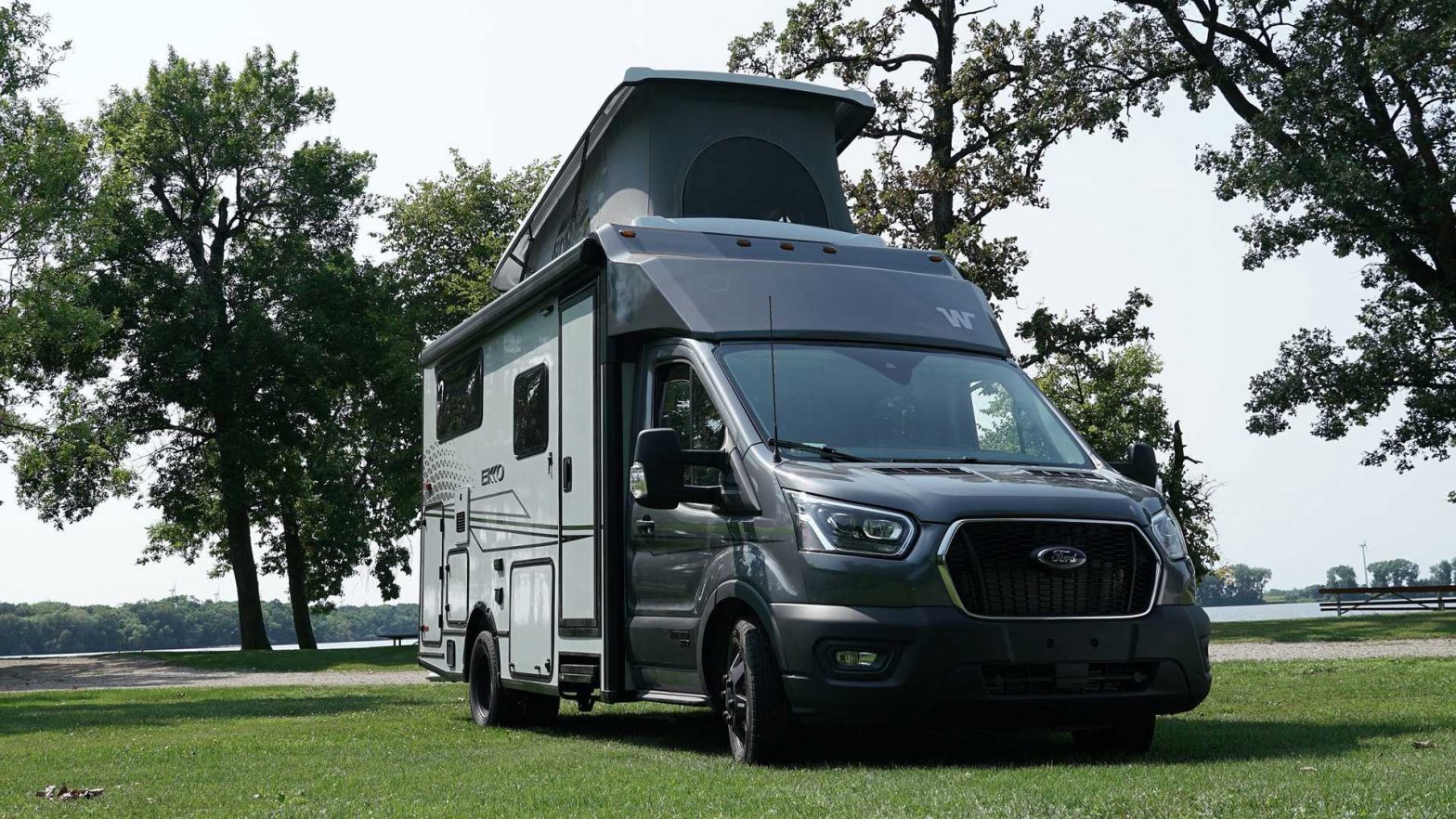
the Scotland landscape with a Camping Cars, Campervan,
Motorhome or Camper from one of the above Scotland Camper
hire companies. With a Recreational Vehicle hire, you
have the complete freedom to discover the Scotland Countryside
at your own pace with no strict timetables or hotel check
ins.
Stop
when and where you want to ! Have the convenience of
storage space where you can take all the essential items
that you require for your family vacation up in the mountains
or alongside a river or down on the beach.
Create
life time memories with a Scottish self drive camper
rental. Experience the adventure of the open road with
your Scottish Camper Rental and enjoy great value for
money (especially for families) with being able to prepare
your own meals plus also the bonus of spending quality
time with the family.
Facts
About Scotland
Scotland (Scottish Gaelic: Alba) is a nation in
northwest Europe and one of the four constituent countries[1]
of the United Kingdom. It occupies the northern third of
the island of Great Britain and shares a land border to the
south with England. It is bounded by the North Sea to the
east, the Atlantic Ocean to the north and west, and the North
Channel and Irish Sea to the southwest. Apart from the mainland,
Scotland consists of over 790 islands.
Edinburgh,
the country's capital and second largest city, is one
of Europe's largest financial centres.Scotland's largest
city is Glasgow, which is the centre of the Greater Glasgow
conurbation. Greater Glasgow is home to approximately
40% of Scotland's population. Scottish waters consist
of a large sector of the North Atlantic and the North
Sea, containing the largest oil reserves in the European
Union.
The
Kingdom of Scotland was an independent state until 1
May 1707, when the Acts of Union (despite widespread
protest across Scotland) resulted in a political union
with the Kingdom of England to create the Kingdom of
Great Britain. Scotland's legal system continues to be
separate from those of England, Wales, and Northern Ireland,
and Scotland still constitutes a discrete jurisdiction
in public and in private international law. The continued
independence of Scots law, the Scottish education system,
and the Church of Scotland have been three factors contributing
to the continuation of Scottish culture and Scottish
national identity since the Union. However, Scotland
is no longer a sovereign state and does not have direct
membership of either the United Nations or the European
Union.
Climate
The climate of Scotland is temperate and oceanic, and tends to be very
changeable. It is warmed by the Gulf Stream from the Atlantic,
and as such has much milder winters (but cooler, wetter summers)
than areas on similar latitudes, for example Oslo or Moscow. However,
temperatures are generally lower than in the rest of the UK, with
the coldest ever UK temperature of -27.2°C (-16.96°F) recorded
at Braemar in the Grampian Mountains, on 11 February 1895 and 10
January 1982 and also at Altnaharra, Highland, on 30 December 1995.[37]
Winter maximums average 6°C (42.8°F) in the lowlands, with
summer maximums averaging 18°C (64.4°F). The highest temperature
recorded was 32.9°C (91.22°F) at Greycrook, Scottish Borders
on 9 August 2003.
In
general, the west of Scotland is usually warmer than
the east, due to the influence of the Atlantic ocean
currents, and the colder surface temperatures of the
North Sea. Tiree, in the Inner Hebrides, is one of the
sunniest places in the country: it had 300 days of sunshine
in 1975. Rainfall varies widely across Scotland. The
western highlands of Scotland are the wettest place,
with annual rainfall exceeding 3,000 mm (120 inches).[38]
In comparison, much of lowland Scotland receives less
than 800 mm (31 inches) annually.[38] Heavy snowfall
is not common in the lowlands, but becomes more common
with altitude. Braemar experiences an average of 59 snow
days per year,[39] while coastal areas have an average
of fewer than 10 days
|