
|
Norway
Country & Tourist Information - You
will discover a country, which is enchantingly unique.
Natural. Imagine a country where light and darkness intertwine.
Where seasons melt together in colours and crystals.
Imagine a country where the thawing snow gives way to
blossom. Where sea and mountain unite. Discover a country
where nature creates art. Where you are invited to a
life-fulfilling experience of diversity.
Explore
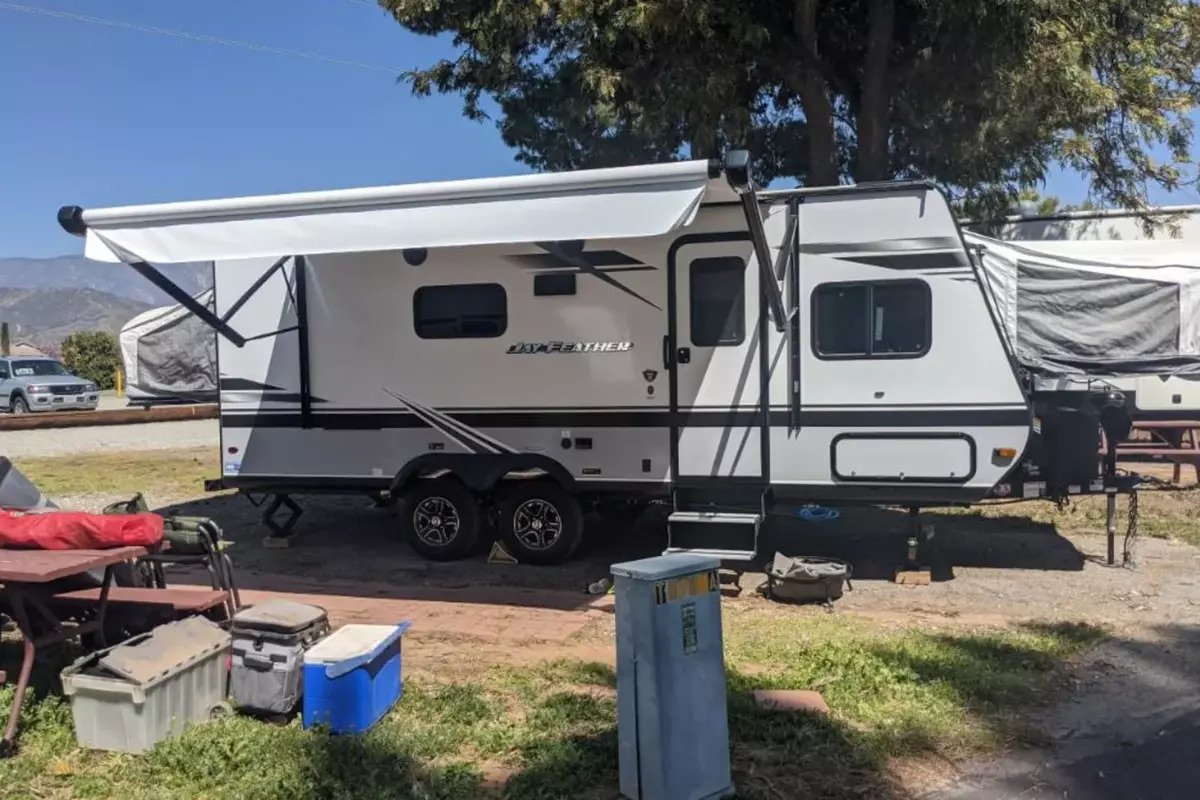
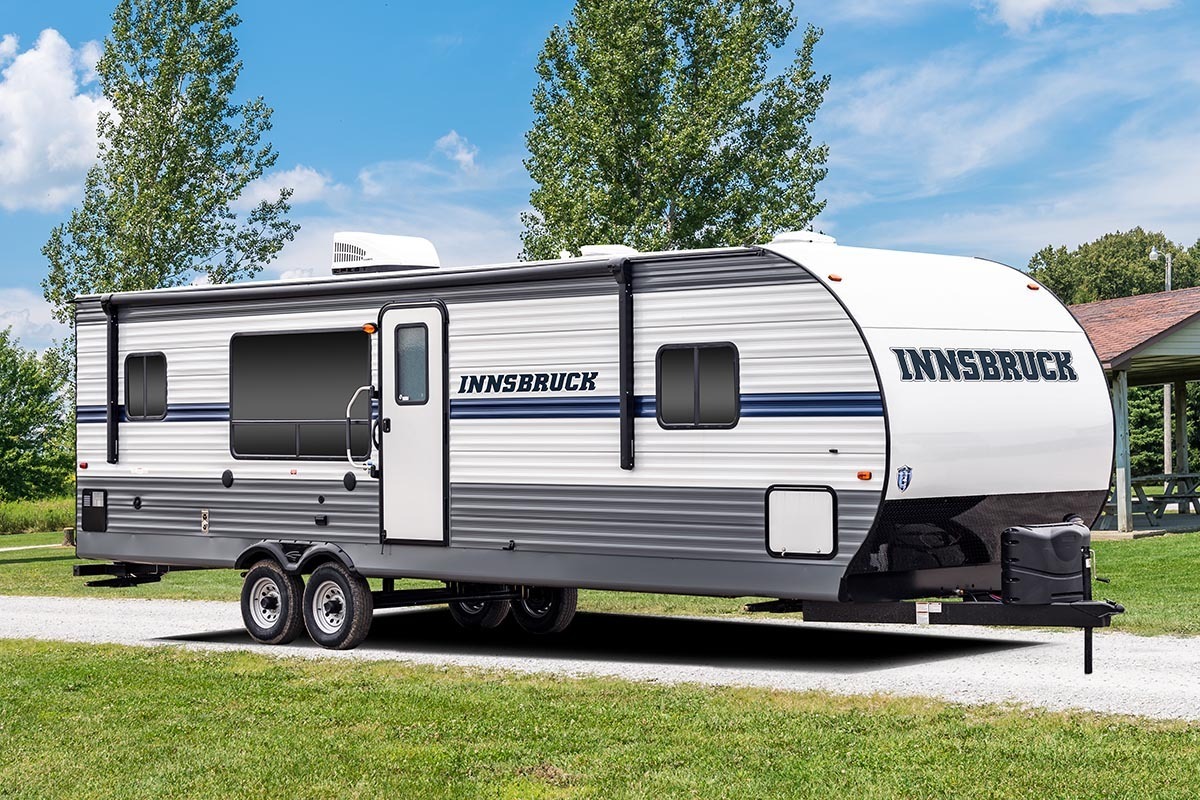
the Norway landscape with a Campervan, Motorhome, RV
or Camper from one of the above Norway Camper hire companies.
With a Recreational Vehicle hire, you have the complete
freedom to discover the Norway Countryside at your own
pace with no strict timetables or hotel check ins.
Stop
when and where you want to ! Have the convenience of
storage space where you can take all the essential items
that you require for your family vacation up in the mountains
or alongside a river or down on the beach.
Create
life time memories with a Norway self drive camper rental.
Experience the adventure of the open road with your Norway
Camper Rental and enjoy great value for money (especially
for families) with being able to prepare your own meals
plus also the bonus of spending quality time with the
family.
The
Kingdom of Norway (Norwegian: Kongeriket Norge (bokmål);
Kongeriket Noreg (nynorsk)) is a Nordic country occupying
the western portion of the Scandinavian Peninsula in
Europe, bordered by Sweden, Finland, and Russia. Norway
has a very elongated shape; the country's extensive coastline
along the North Atlantic Ocean is home to its famous
fjords. The Kingdom of Norway also includes the Arctic
island territories of Svalbard and Jan Mayen: Norwegian
sovereignty of Svalbard is based upon the Svalbard Treaty,
but this does not apply to Jan Mayen. Bouvet Island in
the South Atlantic Ocean and a claim for Peter I Island
in the South Pacific Ocean are also external dependencies,
but these are not part of the Kingdom. Norway also claims
Queen Maud Land in Antarctica where it has established
the Troll permanent research station.
The
main foreign languages (primærfremmedspråk)
taught in Norway are English, German and French. People
may contact the authorities or take their exams in any
of the three main foreign languages as well as in the
two other Scandinavian languages (Danish and Swedish).
Any
Norwegian student who is a child of immigrant parents
is encouraged to learn the Norwegian language. The Norwegian
government offers language instructional courses for
immigrants wishing to obtain Norwegian citizenship.
Climate
The climate of Norway is surprisingly temperate for such a northerly
country; this is mainly due to the North Atlantic Current with
its extension the Norwegian Current warming the air temperature,
and the prevailing southwesterlies bringing the mild air on shore.
Normal
monthly averages range from -17.1°C in January in
Karasjok 129 m amsl. [3] to 17.3°C in July in Oslo
- Studenterlunden 15 m amsl.[4] The warmest year average
temperature is 7.7°C in Skudeneshavn in Karmøy,
and the coldest is -3.1°C in Sihcajarvi in Kautokeino
(excluding higher mountains and Svalbard); this is a
10.8°C difference, about the same as the temperature
difference between Skudeneshavn and Athens, Greece
The
warmest temperature ever recorded in Norway is 35.6°C
in Nesbyen. The coldest temperature ever recorded is
-51.4°C in Karasjok. The warmest month on record
was July 1901 in Oslo, with a mean (24hr) of 22.7°C,
and the coldest month was February 1966 in Karasjok with
a mean of -27.1°C. Southwesterly winds further warmed
by foehn can give warm temperatures in narrow fjords
in winter; Tafjord has recorded 17.9°C in January
and Sunndal 18.9°C in February.
Average
daily minimum temperature in January is -6.8°C in
Oslo, -4.8°C in Kristiansand, -0.4°C in Bergen
and -6.5°C in Trondheim and Tromsø. The average
daily high in July is 21.5°C in Oslo, 20.1°C
in Kristiansand, 17.6°C in Bergen, 18.4°C in
Trondheim and 15.3°C in Tromsø
|