|
Slovenia
Country & Tourist Information - Slovenia
Tourist Boards official tourism and travel guide to Slovenia
with on-line accommodation booking reservation system.
We offer all information about hotels and apartments
in Slovenia, how to travel to Slovenia, tips for trips,
museums, events, attractions and hiking in Slovenia.
Enjoy Slovenian cuisine, wines, countryside and attractive
nature.
Explore
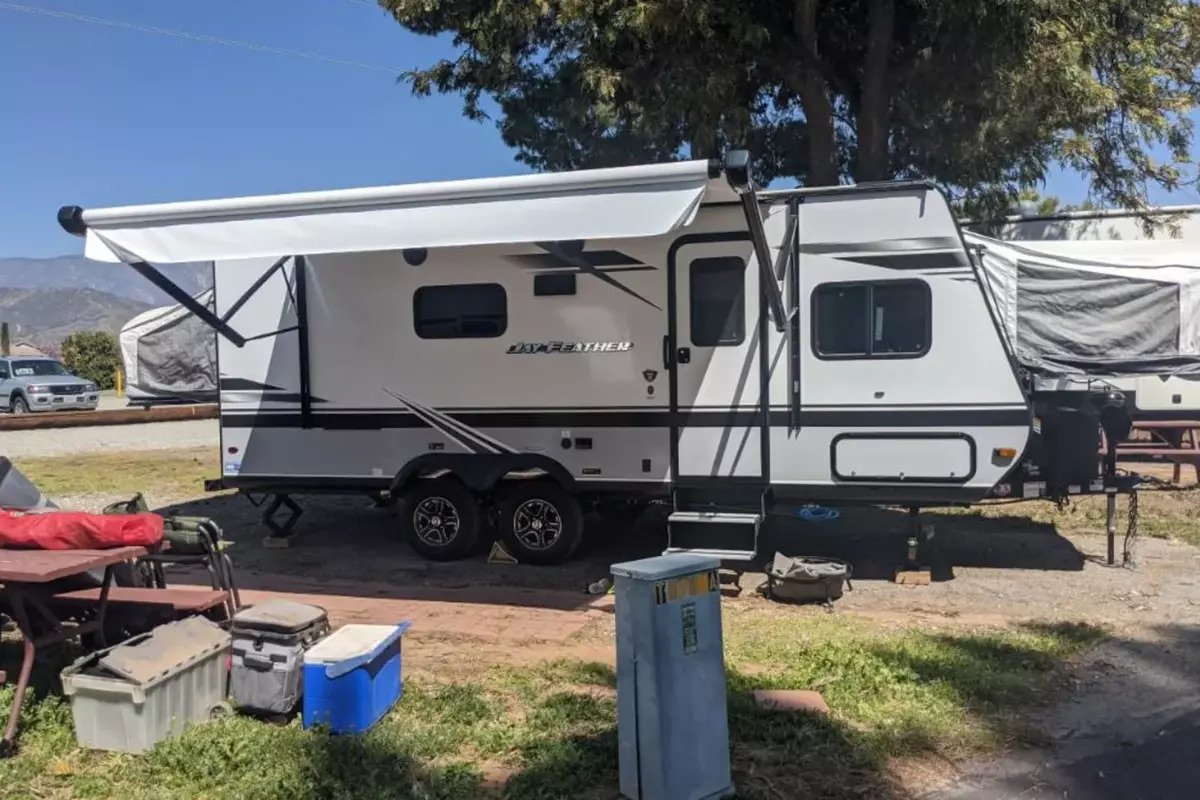
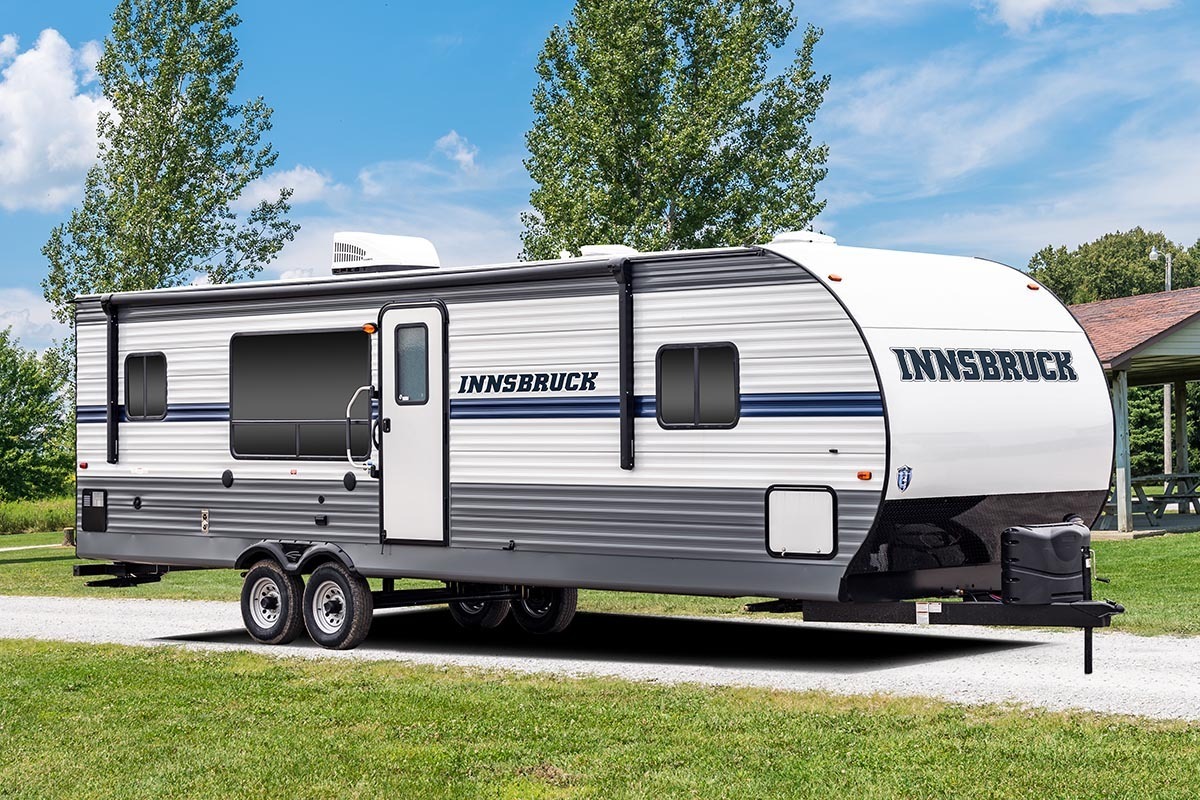
the Slovenia landscape with a Campervan, Motorhome, RV
or Camper from one of the above Slovenia Camper hire
companies. With a Recreational Vehicle hire, you have
the complete freedom to discover the Slovenia Countryside
at your own pace with no strict timetables or hotel check
ins.
Stop
when and where you want to ! Have the convenience of
storage space where you can take all the essential items
that you require for your family vacation up in the mountains
or alongside a river or down on the beach.
Create
life time memories with a Slovenia self drive camper
rental. Experience the adventure of the open road with
your Slovenia Camper Rental and enjoy great value for
money (especially for families) with being able to prepare
your own meals plus also the bonus of spending quality
time with the family.
Slovenia,
officially the Republic of Slovenia (Slovenian: Republika
Slovenija, is a coastal Alpine country in southern Central
Europe bordering Italy on the west, the Adriatic Sea
on the southwest, Croatia on the south and east, Hungary
on the northeast, and Austria on the north. The capital
of Slovenia is Ljubljana.
At
various points in Slovenia's history, the country has
been part of the Roman Empire, the Duchy of Carantania
(only modern Slovenia's northern part), the Holy Roman
Empire, Austria-Hungary, the State of Slovenes, Croats
and Serbs, the Kingdom of Serbs, Croats and Slovenes
(renamed the Kingdom of Yugoslavia in 1929) between the
World Wars, and the SFR of Yugoslavia from 1945 until
gaining independence in 1991. Slovenia is a member of
the European Union, the Council of Europe, NATO, and
has observer status in La Francophonie.
Four
major European geographic regions meet in Slovenia: the
Alps, the Dinarides, the Pannonian plain, and the Mediterranean.
Slovenia's highest peak is Triglav (2,864 m; 9,396 ft);
the country's average height above the sea level is 557
metres (1,827 ft). Around one half of the country (11,691
km²; 4,514 sq mi) is covered by forests; this makes
Slovenia the third most forested country in Europe, after
Finland and Sweden. Remnants of primeval forests are
still to be found, the largest in the Kocevje area. Grassland
covers 5,593 square kilometres (2,159 sq mi) of the country
and fields and gardens 2,471 square kilometres (954 sq
mi). There are also 363 square kilometres (140 sq mi)
of orchards and 216 square kilometres (83 sq mi) of vineyards.
Climate
Its climate is Submediterranean on the coast, Alpine in the mountains
and continental with mild to hot summers and cold winters in the
plateaus and valleys to the east. The average temperatures are
-2°C (28°F) in January and 21°C (70°F) in July.
The average rainfall is 1,000 millimetres (39.4 in) for the coast,
up to 3,500 millimetres (137.8 in) for the Alps, 800 millimetres
(31.5 in) for south east and 1,400 millimetres (55.1 in)for central
Slovenia.
Although
located on the shore of the Mediterranean Sea, most of
Slovenia is in the Black Sea drainage basin. The geometric
center of gravity of Slovenia is located at the geographic
coordinates 46°07'11,8" N and 14°48'55,2" E.
It lies in Spodnja Slivna near Vace in the municipality
of Litija.
|